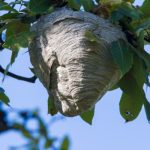
Dangers of Wasps
The dangers of wasps are less than you may think. As a general rule wasps normally only attack a person when they feel threatened. However, when a social wasp is in distress it will start to produce a pheromone that will tell other members of its colony that it needs help, then you will have a number of wasps in attack mode, in other words a stinging frenzy.
A single wasp sting can be bad enough, but a swarm can be fatal.
This can be made worse when you are sensitive to wasp stings as it can send you into anaphylactic shock – a severe, potentially life-threatening allergic reaction. Elderly people, children and those with other allergies can be very sensitive to being stung by a wasp.
 How dangerous are wasps?

-
- Each year over 200,000 people suffer from wasp stings.
- Unfortunately there are 10 fatalities per annum due to anaphylactic shock from wasp and bee stings.
- Symptoms of anaphylactic shock are:
- Breathing difficulties due to a swelling of the airways and throat, or an asthmatic attack.
- Increased pulse rate and or loss of blood pressure.
Itching and swelling in areas other than the sting site. - Dizziness.
- Nausea and stomach cramps.
How do wasps defend themselves?
Like any living organism, wasps will sting to protect themselves once they feel threatened. Wasps also work together: If one wasp is attacked, they may summon a whole swarm..
When a wasp feels threatened, it releases a fear pheromone into the air that acts as a medium of communication to other wasps. This explains why you get attacked by a whole swarm when you might have only squished one. Any sudden movements around them, or near their nests, will trigger distress and therefore cause the release of these fear pheromones, which may earn you a sting even when you did not intend any harm.
What is the difference between a wasp and a bee?
Wasps have a narrow waist and a pointed abdomen with bright yellow stripes, and are dissimilar to bees, lack hairs, and appear smaller. What sets wasps and bees apart again is that wasps are far more aggressive than bees – particularly at the end of summer and into autumn.
Treating wasp stings
When stung if you have difficulty breathing, feel dizzy or begin to have a swollen face – seek medical help immediately.
If you have not had a reaction like above, you will still have a painful sting to treat, so:
- Wash around the sting with normal soap and water.
- Hold an ice pack gently on the sting site for 10 minutes or more.
- If possible raise the affected area.
- Do not scratch the sting site
- Don’t use any homespun remedies.
- Go to your pharmacist and explain what happened. They can dispense medical treatments for wasp stings.